Infant nutrition is the unsung hero of early development, the secret sauce behind those adorable giggles and burgeoning personalities. Think of it as the thrilling first chapter in the epic tale of your baby’s life, where every spoonful and sip plays a crucial role in setting the stage for a healthy future. From the magical bond of breastfeeding to the curious adventures of solid foods, this narrative will unravel the essentials, ensuring your little munchkin is fueled up and ready to conquer the world—one tiny bite at a time!
With a splash of humor and a sprinkle of wisdom, let’s dive into the vibrant world of infant nutrition, where we’ll explore the superfoods fit for your pint-sized superheroes and decode the mysteries of formula feeding. Get ready to feast your eyes on a delightful buffet of information designed to nourish not just your baby’s belly but also your parenting prowess!
Infant Nutrition Basics
Infant nutrition is akin to placing the right ingredients into a blender to whip up the perfect smoothie for your little one’s growth and development. What goes in is just as crucial as how it’s served. It’s all about ensuring every tiny tummy is filled with the essential nutrients they need to flourish and grow. So let’s dive into the delightful world of infant nutrition and explore the key ingredients of this nurturing recipe.
Essential Nutrients for Infant Growth and Development
Infants require a variety of nutrients to support their rapid growth and development. Here’s a concise breakdown of those nutritional superheroes:
- Proteins: Essential for building tissues, proteins are like the bricks of a well-constructed house. They help in developing muscles, enzymes, and hormones.
- Carbohydrates: These are the energy boosters for infants, keeping their tiny engines running smoothly while they explore the world (or at least their crib)!
- Fats: Healthy fats are vital for brain development, forming the building blocks of the brain’s structure. Think of them as the fancy insulation that keeps everything cozy and warm.
- Vitamins: These micronutrients play various roles, such as enhancing the immune system and ensuring proper functioning of metabolic processes. They’re like the secret sauce in grandma’s recipe!
- Minerals: Calcium and iron make sure bones grow strong and blood remains healthy. They’re your little one’s personal bodyguards.
Benefits and Techniques of Breastfeeding
Breastfeeding is often hailed as nature’s superfood for infants, filled with everything they need for a healthy start. Here are some of the many benefits and techniques to consider:
- Natural Nutrient Source: Breast milk is tailored specifically for your baby, rich in nutrients and antibodies that boost the immune system. It’s like having a personal chef who knows your baby’s exact dietary needs!
- Bonding Experience: The skin-to-skin contact during breastfeeding fosters a strong emotional connection, making it a powerful bonding experience for both mother and child.
- Cost-Effective: Breastfeeding can save a few bucks since it’s free! No need for those pricey formulas—just a bit of love and a good nursing pillow!
Techniques to enhance breastfeeding include finding a comfortable position, ensuring a good latch, and practicing patience. Each baby is unique, and it’s all about trial and error, like perfecting your pancake flipping skills on a Sunday morning.
Role of Formula Feeding and Choosing the Right Formula
Formula feeding serves as an alternative when breastfeeding isn’t an option, ensuring that infants receive adequate nutrition. It’s essential to choose the right formula to meet your baby’s needs. Here’s how to navigate this aisle of options:
- Types of Formula: There are various types of formula, including cow’s milk-based, soy-based, and hypoallergenic formulas. Each type caters to different dietary needs and allergies.
- Nutritional Content: Look for formulas fortified with iron and DHA, which are crucial for brain development—because we all want our little ones to be the next Einstein!
- Age-Appropriate: Select formulas that correspond to your baby’s age, as their nutritional needs evolve faster than you can say “baby food.”
Choosing a formula is akin to selecting a perfect wine to pair with dinner; consider your baby’s specific requirements, consult with pediatricians, and don’t hesitate to experiment (within limits, of course)!
“Breastmilk is the best start for infants, but formula feeding can also provide the necessary nutrition when needed.”
Introducing Solid Foods
Ah, the magical moment when your little one takes their first bite of something other than breast milk or formula! Entering the realm of solid foods can feel like a rite of passage for both parents and infants. It’s like stepping into a new world of tastes, textures, and slightly messy adventures that will have you both laughing and cleaning up.
So, let’s dive into the timeline and essentials of introducing solids while keeping the giggles coming!
Timeline for Introducing Solid Foods
Introducing solid foods is a gradual process that typically begins around the six-month mark. Until this time, your baby has been sipping on the sweet nectar of milk. But as they reach this magical age, they’re ready to explore a world of flavors! The key milestones generally look like this:
- 4-6 Months: Time to start eyeing those purees! Your baby is ready for a taste of solid foods, usually beginning with iron-fortified cereals or pureed fruits and veggies.
- 6-8 Months: Get adventurous! Introduce a variety of pureed or mashed foods. Think bananas, sweet potatoes, and avocados—oh my! Your baby will love the creamy goodness.
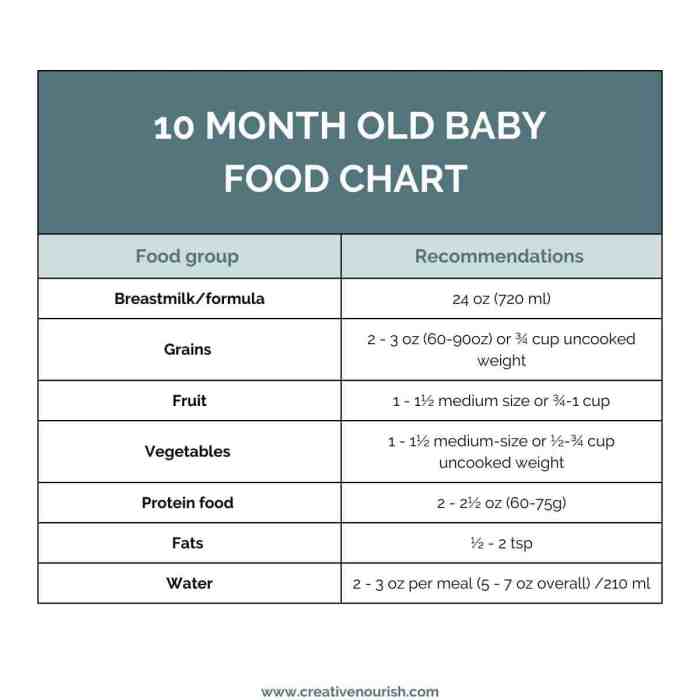
- 8-10 Months: Texture time! Move from purees to soft, bite-sized pieces. Your mini foodie can now enjoy scrambled eggs and soft-cooked veggies. Who said they couldn’t get fancy?
- 10-12 Months: Bring on the party! By now, your baby can munch on a variety of foods, including everything from pasta to soft fruits, and may even try self-feeding. No more helicopter parenting during mealtime, just a lot of smiles and possibly some mess!
Common First Foods and Their Nutritional Value
Some foods are more popular than others when it comes to first bites. Here’s a delightful selection of common first foods that will not only excite your baby’s taste buds but also provide essential nutrients to fuel their growth.
- Bananas: Rich in potassium and vitamins, these soft, sweet nuggets are easy on little tummies. Plus, they’re great for those first attempts at self-feeding!
- Sweet Potatoes: Packed with vitamin A, sweet potatoes are like nature’s dessert! Their creamy texture and natural sweetness make them a hit for tiny palates.
- Avocados: These green gems are full of healthy fats that are essential for brain development. They’re like a butter for babies—smooth, luscious, and oh-so-tasty!
- Rice Cereal: Iron-fortified rice cereal is a classic first food. It’s easy to digest and a great way to introduce solids while boosting iron levels.
- Peas: A great source of vitamins A, C, and K, these little green powerhouses are soft and easy to mash, making them perfect for tiny mouths.
Understanding Potential Allergies and Safe Food Introductions
Introducing new foods is like launching an expedition into uncharted territory—there’s excitement, anticipation, and a little bit of caution. Allergies can be a concern, but fear not! With the right approach, you can safely navigate the culinary landscape for your infant.Start by introducing one new food at a time and wait a few days before trying another. This way, if there’s any reaction, you can pinpoint the culprit.
Common allergens include:
- Peanuts: Introduce peanut butter (thinned with a little water) to your baby’s diet early on, as research suggests it may reduce the risk of peanut allergies.
- Eggs: Eggs are a fantastic source of protein and can be introduced as early as six months. Cook them thoroughly to keep things safe and scrumptious!
- Milk: Whole milk should be avoided until after the first year, but small amounts of yogurt can be introduced earlier. Just remember, it’s not a substitute for breast milk or formula at this stage.
- Wheat: Whole grains can introduce fiber and nutrients. Start with small amounts of cereals or bread to see how your little one reacts.
Always have a pediatrician’s number on speed dial for any concerns. Remember, the best part of introducing solid foods is watching your baby’s reactions—those scrunched-up faces will be both hilarious and heartwarming!
Nutrition Through Different Stages
As babies grow and evolve into toddlers, their nutritional needs undergo a significant transformation. This transition is not just about moving from mashed peas to a full-blown spaghetti dinner; it’s a culinary rollercoaster where every bite counts! The balance of nutrients must shift to accommodate their burgeoning energy levels and developing taste buds.
Nutritional Needs for Toddlers
The leap from baby food to toddler meals requires a keen eye on nutritional balance. Toddlers need a well-rounded diet to support their rapid growth and high energy levels. This means embracing a variety of food groups that not only fuel their adventures but also foster healthy habits.
- Protein: Essential for growth, toddlers require sources like lean meats, fish, beans, and eggs. They’re little protein powerhouses in the making!
- Fruits and Vegetables: A rainbow on the plate is not just for aesthetics; this colorful variety provides essential vitamins and minerals. Think of it as a daily dose of superhero fuel!
- Whole Grains: These provide the slow-releasing energy toddlers need to keep their engines running. Oatmeal, whole grain bread, and brown rice are all excellent choices.
- Dairy: With calcium-rich options like yogurt and cheese, toddlers can strengthen their bones while enjoying tasty treats. Just watch out for the cheese monster lurking at snack time!
Meal Planning for Toddlers
Planning meals for toddlers can feel like preparing for a culinary expedition in the wild jungles of picky eating! However, a well-structured meal plan can help parents navigate these treacherous waters with ease.
- Create a Schedule: Consistent meal and snack times can help prevent hangry meltdowns. Think of it as setting a routine for the little tummy clock!
- Focus on Finger Foods: Toddlers love to explore their food. Offering foods they can pick up encourages autonomy and makes meal times more fun. Broccoli trees and carrot sticks, anyone?
- Incorporate Variety: Introducing new foods alongside familiar favorites can make for a delightful culinary adventure. Who knows, maybe your toddler will discover they love kale while pretending to be a dinosaur chomping leaves!
- Be Resourceful: Leftovers can be repurposed creatively. Turn yesterday’s chicken into a tasty chicken salad or mix veggies into a comforting soup. Waste not, want not!
Impact of Baby Boomers’ Dietary Guidelines
The dietary guidelines established during the baby boomer era have laid the groundwork for modern infant nutrition practices. These guidelines emphasized balanced diets rich in whole foods, which remain vital today.
- Focus on Whole Foods: The push for whole grains, fruits, and vegetables was revolutionary, steering families away from overly processed meals. Today’s nutritionists often hark back to these principles when advising on infant diets.
- Increased Awareness: Baby boomers were the first generation to truly embrace the concept of nutrition education, leading to a more informed public on dietary matters. This awareness has trickled down, influencing how parents approach feeding their infants and toddlers.
- Encouragement of Family Meals: The push for shared mealtimes fosters a sense of community and the importance of balanced eating habits from a young age, a practice that continues to resonate.
Celebrating Milestones
Celebrating your baby’s growth milestones is like throwing a mini-Oscar ceremony, complete with tiny hands clapping and squeals of joy! As your little one reaches each stage, it’s the perfect time to gather friends and family, share nutritious treats, and revel in the journey of growing up. From baby showers that cater to the needs of expectant moms to toddler-friendly snacks that can turn any gathering into a healthy feast, let’s dive into how to make these celebrations both memorable and nutritious.
Nutrition in the early years is crucial as it lays the foundation for lifelong health and development. Each growth milestone deserves a celebration, and what better way to commemorate these achievements than with delicious, healthy choices that everyone can enjoy? With a little planning and creativity, you can create an atmosphere where both babies and their adults can feel celebrated and nourished.
Baby Shower Food Guide: Nutritious Options
Planning a baby shower can feel like organizing a mini-expo of baby-related wonders! To ensure that guests leave feeling nourished and happy, it’s essential to offer a variety of healthy food options. Here’s a selection of delightful dishes that cater to mothers-to-be and their guests:
- Veggie Platter with Hummus: Brightly colored veggies served with a protein-packed hummus dip. Think carrots, cucumbers, and bell peppers in a rainbow of colors—because who said healthy can’t be fun?
- Fruit Skewers: Kabobs of seasonal fruits like watermelon, pineapple, and grapes that are as easy to grab as they are to eat. Perfect for little hands or big appetites!
- Mini Quiches: Bite-sized quiches filled with spinach, cheese, and tomatoes. Whip up a batch of these protein-rich delights to keep energy levels high.
- Whole Grain Wraps: Stuffed with lean turkey, lettuce, and avocado. These wraps are not just delicious; they’re packed with essential nutrients!
- Nut Butter & Banana Bites: Healthy whole-grain crackers topped with almond or peanut butter and sliced bananas. Yum!
Healthy Snacks for Toddlers at Gatherings
When it comes to toddlers, snacks can be a delightful way to keep little ones occupied and nourished during gatherings. Offering healthy options not only supports their energy needs but also sets the stage for good eating habits down the line. Here’s a list of snack ideas that are sure to be a hit:
- Cheese Cubes: Bite-sized cubes of cheddar or mozzarella are perfect for tiny fingers and taste buds.
- Yogurt Parfaits: Layered yogurt with granola and fruit in clear cups. These are as fun to look at as they are to eat!
- Apple Slices with Nut Butter: Sweet apple slices paired with nut butter make a crunchy and satisfying snack.
- Puffed Rice or Corn Snacks: Light and crispy, these snacks quickly become favorites among toddlers, with the added bonus of being low in calories!
- Mini Muffins: Whole grain mini muffins with blueberries or bananas are perfect for little hands and big smiles!
Importance of Nutrition in Early Years
Nutrition in the early years is not just about preventing hunger; it’s about laying the groundwork for a healthy future. The foods babies and toddlers consume directly affect their growth, brain development, and immunity. By focusing on healthy choices during celebrations, parents can reinforce the importance of nutrition while enjoying the moment.
“Healthy eating is a celebration of growth—so let’s toast with carrot sticks and cheer with apple juice!”
Milestones like first steps or saying “mama” are moments to cherish, and what better way to celebrate than with vibrant, nutritious foods that fuel further adventures? Remember, every bite counts, so let’s make them count deliciously!
Epilogue
As we wrap up this delightful romp through the essentials of infant nutrition, remember that each stage is a new opportunity to celebrate your child’s growth. Whether it’s the joy of introducing solid foods or planning the perfect snack for a toddler get-together, every choice you make is a stepping stone to a healthier future. So go forth, armed with knowledge and a spoonful of love, and let the milestones roll in—because in the world of infant nutrition, every bite counts!
FAQ Summary
When should I introduce solid foods to my baby?
Most experts recommend starting solids around 6 months, but always check with your pediatrician first!
What are some common first foods for infants?
Rice cereal, pureed fruits like apples and pears, and veggies such as sweet potatoes are popular choices.
How can I tell if my baby has a food allergy?
Watch for signs like rashes, hives, or digestive issues after trying new foods, and consult your doctor.
Is breastfeeding better than formula feeding?
Both have benefits; breastfeeding provides antibodies, while formula can be tailored to specific needs, so do what works best for you!
How much milk should my infant be drinking?
For infants under 6 months, breast milk or formula should be their main nutrition source—about 25-30 ounces a day is typical!


