
Welcome to the delightful world of Baby Boomer investing, where financial savvy meets a sprinkle of nostalgia! These golden-age investors are not just sitting back and reminiscing about the good ol’ days; they’re strategically navigating the financial seas to secure their golden years. With an ever-changing economic landscape, Baby Boomers are honing investment strategies that are as unique as their vinyl collections, ensuring their financial future is as bright as those disco balls they danced under.
This journey will unveil the key characteristics of Baby Boomer investors, explore their financial goals and challenges, and even dive into how they can prepare for the next generation—because investing isn’t just about today, it’s about paving the way for tomorrow’s little ones, too!
Understanding Baby Boomer Investing
Baby Boomers, those magnificent humans born between 1946 and 1964, have seen the world evolve from black-and-white TV to smartphones that fit in our pockets. As investors, they carry unique characteristics shaped by their experiences, societal shifts, and economic tides. They are not just looking for a safe investment; they want to ensure their golden years sparkle like a freshly polished Cadillac.
Understanding the Baby Boomer investment landscape requires a look at their habits, preferences, and how they’ve adapted to the ever-changing economic environment. Their investments are often characterized by a blend of caution and opportunity, reflective of their life experiences. They tend to have a strong focus on preserving capital, along with a dash of growth potential to ensure that their retirement is not just a couch-surfing expedition.
Key Characteristics of Baby Boomer Investors
Baby Boomers possess distinct traits as investors that set them apart from their millennial counterparts. Their investment choices are often influenced by their upbringing during times of economic prosperity and subsequent financial crises. Key characteristics include:
- Risk Aversion: Many Baby Boomers prioritize capital preservation and tend to be more conservative in their investment strategies compared to younger generations.
- Preference for Income Generation: They often seek investments that provide steady income, such as dividends or interest from bonds, ensuring a reliable cash flow during retirement.
- Long-Term Focus: With retirement on the horizon, Boomers typically invest with a long-term perspective, seeking stability over quick gains.
Common Investment Strategies Favored by Baby Boomers
When it comes to strategies, Baby Boomers tend to favor a prudent mix of traditional and modern investment avenues, ensuring their portfolios are as diverse as their music playlists from the ’60s. Effective strategies often include:
- Dividend Stocks: Investments in companies that consistently pay dividends are a favorite, as they provide a reliable income stream akin to receiving a paycheck without having to clock in.
- Real Estate: Many Boomers invest in real estate, either as a primary residence or rental properties, viewing it as a tangible asset that appreciates over time.
- Mutual Funds and ETFs: Diversification is key; thus, many Baby Boomers prefer mutual funds or exchange-traded funds (ETFs) that limit risk through varied investments.
Impact of Economic Changes on Baby Boomer Investment Behaviors
Economic fluctuations have a profound effect on Baby Boomers’ investment behaviors; they may resemble a rollercoaster ride with unexpected twists and turns. Significant factors include:
- Market Volatility: Economic downturns, like the 2008 financial crisis, often induce caution, prompting Boomers to reassess their investment strategies and lean toward safer assets.
- Interest Rates: The low-interest-rate environment has altered their income strategies, pushing them to explore alternative investments in search of yield, such as high-dividend stocks or real estate funds.
- Healthcare Costs: The rising cost of healthcare has led many Boomers to adjust their portfolios to ensure they have enough liquidity to cover unexpected medical expenses.
Financial Goals and Challenges for Baby Boomers
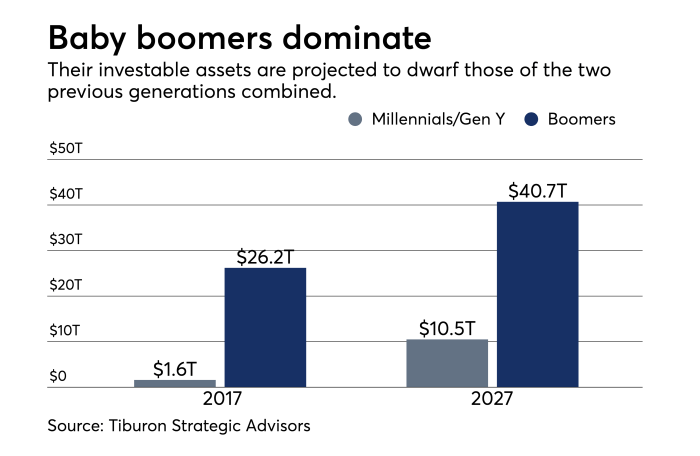
As Baby Boomers sail into their golden years, they face a unique set of financial goals and challenges that set them apart from previous generations – and let’s be honest, navigating retirement planning can feel like trying to find a parking spot at a crowded mall on Black Friday. With retirement looming like an old friend (or maybe a slightly uncomfortable acquaintance), Baby Boomers are laser-focused on ensuring their financial futures are as bright as their high school prom memories.One of the primary financial goals for Baby Boomers is to maintain their pre-retirement standard of living while enjoying retirement.
That often translates into a desire for income stability, investment growth, and ensuring their healthcare needs are met without selling their prized vinyl collection to pay for it. The landscape of investing has changed, and they must adapt while also keeping an eye on their unique challenges.
Primary Financial Goals of Baby Boomers
Baby Boomers typically prioritize several key financial objectives during their retirement planning. The following goals are often at the top of their list:
- Income Generation: Boomers want reliable sources of income, whether from pensions, Social Security, or investment yields. The aim is to keep the cash flowing like a well-timed Netflix series binge.
- Healthcare Security: With age comes the inevitable need for healthcare, making it crucial to plan for medical expenses. The goal is to avoid healthcare-related financial crises that can feel as shocking as discovering a long-lost high school hairstyle photo.
- Legacy Planning: Many Baby Boomers wish to leave a financial legacy for their children or favorite grandchild (who definitely deserves a little extra). This means strategic estate planning and tax considerations are key to ensuring they don’t just leave behind a pile of bills.
- Debt Reduction: Paying off mortgages and other debts is a priority, as living debt-free resembles a weight lifted off their shoulders, like finally cleaning out that dusty attic.
Challenges Baby Boomers Face
Despite their financial goals, Baby Boomers must tackle a range of challenges that can feel like navigating a particularly tricky obstacle course. Here are some key hurdles they face:
- Market Volatility: The unpredictable nature of markets can be daunting. Memories of the 2008 financial crisis loom large, making them wary of riskier investments.
- Longevity Risk: With people living longer, the fear of outliving their savings becomes a real concern, akin to running a marathon without knowing the finish line.
- Inflation Concerns: Rising costs can erode purchasing power, much like how a slow leak can deflate a once-inflated pool floatie.
- Changing Social Security Rules: Navigating the ins and outs of Social Security can feel like deciphering ancient hieroglyphics, especially with rules changing faster than fashion trends.
Investment Options Comparison
When comparing investment options for Baby Boomers to those of younger generations, the divergence in strategy is significant. Baby Boomers often lean toward more conservative investments, while younger investors embrace higher risk for potentially higher returns. Here’s a closer look:
| Investment Type | Baby Boomers | Younger Generations |
|---|---|---|
| Stocks | Typically favor dividend-paying stocks for income and stability | More likely to invest in growth stocks for capital appreciation |
| Bonds | Heavily invested in bonds for stability and predictable income | Use bonds more as a hedge against volatility rather than a primary investment |
| Real Estate | Focus on rental properties or downsizing to maximize cash flow | Often invest in REITs or crowdfunding platforms to gain entry into the market |
| Retirement Accounts | Contribute to IRAs and 401(k)s while planning withdrawals | Maximize contributions to take advantage of employer matching and tax benefits |
The Intersection of Baby Showers and Baby Boomer Investing
Baby showers are not just a time for adorable onesies and cake; they can also be a financial playground for Baby Boomers looking to invest in their future generations. As Baby Boomers prepare to celebrate the arrival of little ones, they might also want to consider how these events can serve as a catalyst for financial planning—because nothing says “I love you” like a well-funded college education and a robust savings account.Planning a baby shower can often come with a hefty price tag, but Baby Boomers can turn this joyous occasion into a springboard for financial security for their grandchildren.
By thinking beyond the cake and balloons, they can use these gatherings to instill values of savings and investment, ensuring that the next generation is not only celebrated but also supported in their financial futures. It’s not just about the gifts—it’s about planting the seeds for future financial growth!
Financial Implications of Planning a Baby Shower
The financial aspects of organizing a baby shower can lead to thoughtful discussions about budgeting and investing. Baby Boomers, with their wealth of experience, are in a prime position to turn the costs of these celebrations into opportunities for financial education. For instance, throwing a well-planned baby shower doesn’t have to mean breaking the bank. By opting for potluck-style events or DIY decorations, Baby Boomers can save money while also showcasing their creativity.
These savings can then be redirected towards more meaningful investments, like setting up a 529 college savings plan or contributing to a custodial account for their grandchild.
“Investing in family is the best kind of investing. It grows, multiplies, and pays dividends of love!”
In essence, the money spent on a baby shower can be seen not just as expenditure but as a way to inspire future financial discussions among family members, emphasizing the importance of saving for significant life milestones.
Strategies for Investing in Future Generations’ Education and Welfare
Baby Boomers can take strategic steps to ensure that their grandchildren have access to quality education and a secure financial future. By making education a priority, they can lay the foundation for lifelong success. Here are a few strategies to consider:
- Set up a 529 College Savings Plan: This tax-advantaged savings plan allows Baby Boomers to save for their grandchildren’s education while enjoying tax benefits.
- Open a Custodial Account: By depositing money into a custodial account, Baby Boomers can invest on behalf of their grandchildren, teaching them the importance of saving early.
- Purchase U.S. Savings Bonds: These bonds are a low-risk investment option that can help fund education while also providing a safe haven for savings.
- Share Investment Wisdom: Hosting family meetings to discuss financial literacy not only engages the younger generation but also empowers them to make informed decisions.
By utilizing these strategies, Baby Boomers can transform their love for their grandchildren into practical actions that will benefit them for years to come.
Investment Ideas for Grandchildren
Investing in grandchildren doesn’t have to be a complex affair; it can be as straightforward as gifting them a few choice assets. Here’s a list of investment ideas that Baby Boomers can consider for their grandchildren, tailored to spark excitement and enthusiasm for financial growth:
- Stock Gifts: Purchasing shares in companies that resonate with grandchildren’s interests can make investing fun and relatable.
- Mutual Funds: These can provide a diversified portfolio, allowing Baby Boomers to introduce the concept of investing without overwhelming their grandkids.
- Robo-Advisors: Setting up an account with a robo-advisor can be a hands-off way to invest in a diversified fund tailored to the child’s age and future needs.
- Real Estate Investment Trusts (REITs): For those looking to introduce real estate investing, REITs offer a way to gain exposure to the property market without the hassle of being a landlord.
These investment ideas not only serve as gifts but also create opportunities for Baby Boomers to share their financial wisdom, ensuring that the next generation is equipped with the tools they need to thrive. After all, the best legacy one can leave is not just financial resources but also the knowledge to make those resources flourish!
Conclusive Thoughts
As we wrap up our exploration of Baby Boomer investing, it’s clear that these seasoned investors are not just about securing their future but also about nurturing the future of their families. With a keen eye on investments that benefit both their retirement and their grandchildren’s education, Baby Boomers are proving that age is just a number when it comes to financial wisdom.
So, whether you’re a Baby Boomer or just a curious observer, remember that investing is a lifelong journey, filled with decisions that can ripple through generations.
Key Questions Answered
What are the typical investment strategies for Baby Boomers?
Baby Boomers often lean towards conservative investment strategies, such as bonds and dividend-paying stocks, while still looking for opportunities with moderate growth potential.
How do Baby Boomers prioritize their financial goals?
Most Baby Boomers focus on ensuring a comfortable retirement, paying off debts, and setting aside funds for grandchildren’s education.
What challenges do Baby Boomers face with their investments?
Common challenges include market volatility, changes in healthcare costs, and navigating retirement income strategies.
Can Baby Boomers still take risks in their investments?
Yes, many Baby Boomers are open to taking calculated risks, especially if they have a healthy financial cushion and a long-term investment strategy.
How can Baby Boomers help future generations with investing?
They can invest in education funds, contribute to 529 plans, or even consider setting up custodial accounts for their grandchildren.


