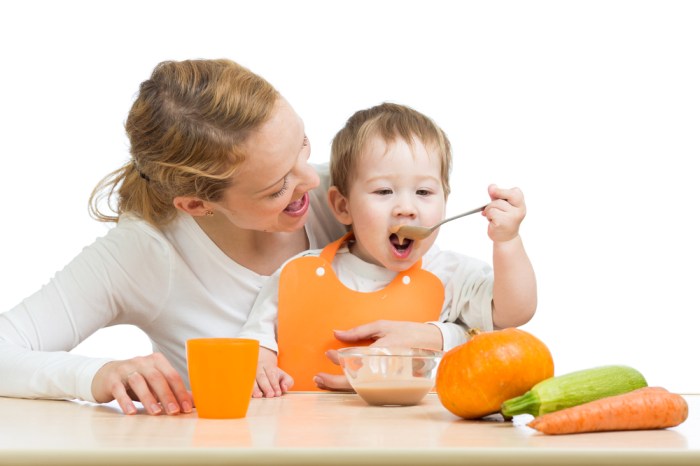
Welcome to the wild world of Toddler nutrition where broccoli battles tantrums and carrots conquer picky eaters! Nutrition at this age is as essential as nap time, fueling your little ones for their epic adventures of discovery and mischief. Just like a superhero needs their cape, toddlers need the right nutrients to grow strong, smart, and surprisingly good at making messes.
As we dive into this delightful topic, we’ll explore the vital nutrients that your pint-sized pal needs, the foods that pack a punch in vitamins, and some ingenious strategies for turning mealtime into a culinary adventure. Get ready to discover how to transform your toddler’s plate from a battlefield into a banquet!
Importance of Toddler Nutrition
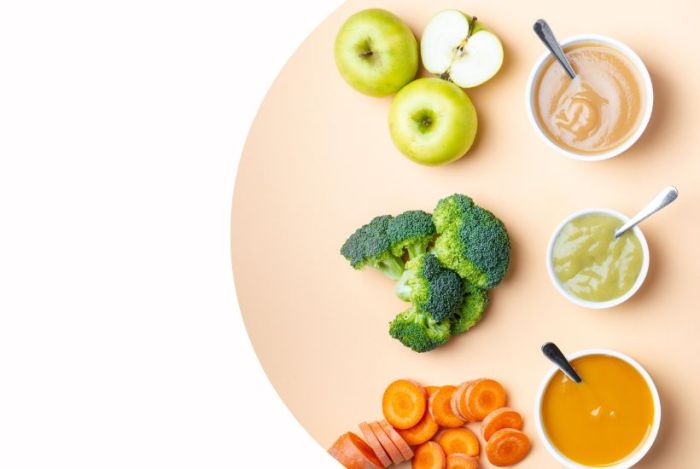
When it comes to toddlers, nutrition is like the magical fuel that powers their rapid growth, boundless energy, and inquisitive minds. Think of it as the secret ingredient in the recipe of life that helps them transform from tiny, wobbly beings into confident little explorers—ready to conquer the playground! A well-balanced diet filled with essential nutrients lays the foundation for healthy development, setting the stage for a lifetime of good habits and vibrancy.The critical nutrients required for toddlers include protein, healthy fats, carbohydrates, vitamins, and minerals.
Protein serves as the building block for their rapidly growing bodies, while healthy fats support brain development. Carbohydrates provide the energy that keeps those little legs running, and vitamins and minerals are like the magical pixie dust that ensures all systems are go! Poor nutrition can lead to consequences like stunted growth, weakened immune systems, and even developmental delays, which can turn those adorable little munchkins into cranky, less adventurous versions of themselves.
By understanding the importance of these nutrients, parents can better equip their tiny superheroes with the power they need to thrive.
Essential Nutrients for Growth and Development
To truly understand the importance of toddler nutrition, it’s crucial to identify the key nutrients that play a significant role in their growth and development. Here’s a fun list of these nutritional superheroes:
- Protein: Essential for building muscles and repairing tissues. Found in chicken, fish, beans, and dairy products.
- Healthy Fats: Important for brain development and energy. Sources include avocados, nuts, and olive oil.
- Carbohydrates: The main energy source for active toddlers. Whole grains, fruits, and vegetables are the go-to options.
- Vitamins: Vital for immune function and overall health. Sources include a rainbow of fruits and veggies—think carrots, spinach, and oranges!
- Minerals: Help in bone development and other bodily functions. Dairy products and leafy greens are rich in calcium and iron.
Incorporating these nutrients into a toddler’s diet is essential. A well-rounded plate contains all the colors of the rainbow, ensuring they receive a variety of essential vitamins and minerals. Here’s a deliciously nutritious list of foods that are rich in these essential components for toddlers:
- Greek Yogurt: A creamy source of protein and healthy probiotics for gut health.
- Oatmeal: A warm, comforting whole grain that fuels those little bodies with energy.
- Eggs: Packed with protein and essential fats, making them a breakfast superstar!
- Bananas: A sweet source of potassium perfect for tiny hands to grab.
- Sweet Potatoes: Loaded with vitamins A and C, these are the superheroes of the vegetable world.
A toddler’s nutrition plays a pivotal role in shaping their future health and well-being. With the right fuel, they can take on the world—one tiny step at a time!
Feeding Practices for Toddlers
Feeding toddlers can be as tricky as herding cats in a room full of laser pointers. The goal is not just to fill their tiny bellies but to create a well-rounded approach to nutrition that keeps them happy and healthy. With a sprinkle of creativity and a dash of patience, introducing new foods can become a delightful adventure rather than a battleground of peas and carrots.
Introducing New Foods
Introducing new foods to toddlers is akin to presenting a magician’s trick—they might be skeptical at first but can be easily intrigued with the right showmanship! Here are some strategies to make new foods less intimidating and more inviting:
- Make it Fun: Shape the food into fun animals or stars. Who wouldn’t want to eat a broccoli tree or a banana rocket ship?
- Involve Them: Let toddlers help in the kitchen. From washing fruits to stirring pots, they’ll feel a sense of ownership and may be more willing to taste their creations.
- Offer a Variety: Present new foods alongside familiar favorites. A plate with a side of mac and cheese might make those mysterious Brussels sprouts less daunting.
- Be a Role Model: Kids love to emulate their heroes! Show them how delicious a bite of spinach is by munching it down with enthusiasm—dramatic munching is encouraged!
- Keep It Casual: Don’t pressure them. Make mealtime relaxed, allowing for exploration and experimentation with tastes at their own pace.
Meal Timing and Routine
Meal timing and routine are the secret spices to cultivating healthy eating habits in toddlers. Just as horses know when it’s feeding time, toddlers thrive on a consistent schedule. Establishing regular meal and snack times helps manage hunger, making them more receptive to trying new foods.
- Consistency is Key: Set specific times for meals and snacks. This predictability can help toddlers understand when to expect food and reduces the likelihood of constant grazing.
- Limit Distractions: Keep mealtime free from screens and toys. Instead, focus on the food and conversation, making it a joyful gathering.
- Balanced Portions: Serve appropriate portion sizes. A toddler-sized plate is just like a toddler-sized costume—cute but not too overwhelming!
- Snack Smart: Offer healthy snacks between meals to keep energy levels stable. Think of snacks as mini pit stops on their culinary journey!
Sample Meal Plan for a Week
Creating a meal plan for toddlers requires a blend of nutrition, creativity, and a bit of whimsy. Here’s a sample meal plan to guide you through a week of food that will delight and nourish those little taste buds:
| Day | Breakfast | Lunch | Dinner |
|---|---|---|---|
| Monday | Oatmeal with sliced bananas | Turkey and cheese roll-ups with carrot sticks | Mini pizza on whole wheat pita |
| Tuesday | Yogurt with mixed berries | Grilled cheese with tomato soup | Chicken stir-fry with colorful veggies |
| Wednesday | Pancakes topped with applesauce | Tuna salad on whole grain crackers | Spaghetti with meatballs and spinach |
| Thursday | Scrambled eggs with diced bell peppers | Quinoa salad with beans and corn | Baked salmon with mashed sweet potatoes |
| Friday | French toast with berries | Veggie and hummus wrap | Stuffed bell peppers with ground turkey |
| Saturday | Waffles with yogurt and fruit | Chicken nuggets with cucumber slices | Beef tacos with avocado |
| Sunday | Smoothie bowl with granola | Mac and cheese with steamed broccoli | Homemade vegetable soup |
“Healthy eating is a form of self-respect.”
Nutrition Trends Among Different Generations
In the evolving landscape of toddler nutrition, we witness a delightful clash of practices, preferences, and peculiarities spanning generations. From Baby Boomers who might have thrived on a diet of mashed peas and pureed carrots to today’s Insta-moms sharing photos of colorful quinoa bowls for their little ones, the journey of toddler nutrition has been nothing short of a culinary rollercoaster ride.When examining toddler nutrition practices, one might notice that Baby Boomers often adhered to a more simplistic approach—think wholesome, home-cooked meals consisting of single-ingredient baby foods or the occasional jar of Gerber.
In contrast, today’s parents are more inclined to embrace a smorgasbord of global flavors and organic options. This shift not only reflects changing societal norms but also an increased understanding of nutrition’s long-term impact on health. The rise of the “clean eating” movement and the popularity of plant-based diets have reshaped what’s on the toddler menu, introducing a pantheon of nutrients that Baby Boomers may never have dreamed of.
Baby Showers and Their Influence on Nutrition Choices
Baby showers are not just a gathering of friends and family celebrating the arrival of a new life; they are also a pivotal point where nutrition choices for newborns and toddlers begin to take shape. These soirees often involve abundant gifting of both adorable onesies and nutritious food items. Interestingly, the gifts of pureed fruits and homemade baby food kits signify an evolving mindset towards how we view infant nutrition.
Expectant parents may find themselves bombarded with advice and preferences from well-meaning aunts and uncles, leading to a delightful potpourri of feeding philosophies. Here’s how baby showers influence nutrition choices:
- Gift Trends: From organic food pouches to subscription services for baby foods, the gift market has responded to the growing demand for health-conscious choices.
- Advice Exchange: Guests often share their own recipes or nutrition tips, which can sway parents toward healthier options.
- Cultural Reflection: Regional dishes may be celebrated, highlighting the cultural influences that shape toddler nutrition from the get-go.
Cultural Differences in Toddler Nutrition
Toddler nutrition is not a one-size-fits-all scenario; it’s a vibrant tapestry woven from cultural threads that vary across demographics. Different cultural backgrounds bring diverse flavors, traditions, and even beliefs about what constitutes ‘healthy’ for toddlers.In some cultures, it’s common to introduce a variety of spices and flavors early on, while others may stick to a more bland palate. The approach to feeding toddlers can influence their taste preferences and openness to trying new foods later in life.
Here’s a glimpse into the delightful differences:
- Asian Cultures: Practices often include introducing rice and vegetables early, emphasizing balance and harmony in meals.
- Western Cultures: A focus on dairy and grains is prevalent, with a growing trend toward organic and non-GMO options.
- Middle Eastern Cultures: Flavors, such as cumin and coriander, are introduced early, often enhancing the child’s palate with aromatic experiences.
Understanding these cultural nuances can help foster a greater appreciation for the diversity in toddler nutrition while encouraging parents to think outside the conventional peanut butter and jelly box.
Last Point
In conclusion, mastering Toddler nutrition is like trying to teach a cat to fetch—tricky, but oh so rewarding! By understanding the importance of balanced meals, establishing consistent feeding routines, and celebrating cultural culinary traditions, you can ensure your little ones are not just fed but are thriving with every bite. So grab those tiny forks and let’s embark on this tasty journey filled with laughter, love, and lots of colorful foods!
FAQ Section
What are the essential nutrients for toddlers?
Toddlers need a variety of nutrients including protein, iron, calcium, vitamins A, C, and D, and healthy fats to support their rapid growth and brain development.
How can I encourage my toddler to try new foods?
Introduce new foods gradually, involve your toddler in meal prep, and make it fun! Use colorful plates and playful names for foods to spark their interest.
What should I do if my toddler refuses to eat?
Don’t panic! Keep offering a variety of foods, ensure mealtimes are relaxed, and avoid pressure. Sometimes, toddlers just want to assert their independence.
How important is meal timing for toddlers?
Meal timing is crucial! Regular meal and snack times help create a routine, which can encourage healthy eating habits and prevent constant grazing.
Are there cultural differences in toddler nutrition?
Absolutely! Different cultures emphasize various foods and practices, influencing how toddlers are nurtured. It’s a colorful world of flavors and traditions!


