Welcome to the wild world of Baby feeding where tiny tummies and big appetites meet! It’s not just a meal; it’s an adventure filled with giggles, spills, and maybe a few flying peas. From the magical art of breastfeeding to the science of spoon-feeding, every bite is a new experience for both babies and parents alike.
In this delightful journey, we’ll explore the essential techniques for nourishing your little one, the nutritional superheroes they need, and how to throw the ultimate baby shower that focuses on feeding essentials. So grab your bibs and get ready to dive into this tasty topic!
Baby Feeding Techniques
Welcome to the delectable world of baby feeding where the primary goal is to make sure your little one not only survives but thrives! This can often feel like a high-stakes culinary adventure filled with tiny spoonfuls of joy, breast milk battles, and the inevitable mess that comes with introducing solids. Fear not, brave parent; we’re here to guide you through this messy yet magical journey.
Breastfeeding, Bottle-Feeding, and Spoon-Feeding
Feeding techniques can vary significantly from one family to another, but each method has its charm (and its challenges!). Breastfeeding is often celebrated for its nutritional benefits, while bottle-feeding offers flexibility. Spoon-feeding is an art form that, when mastered, can make you feel like a Michelin-star chef. Here’s a breakdown of these techniques:
Breastfeeding is a natural, nutrient-packed way to feed your baby. It’s like giving them a warm hug full of antibodies and love! Key points to remember
Skin-to-skin contact enhances bonding and promotes better feeding.
Watch for hunger cues like lip-smacking or rooting to ensure your baby gets fed promptly.
Bottle-feeding allows other caregivers to share the joy of feeding. It’s like having a backup singer in your feeding duet! Points to consider include
Choose the right bottle
Look for one that mimics breast-feeding to ease the transition.
Maintain a pace
Allow your baby to suck and swallow naturally to avoid hiccups (literally and figuratively).
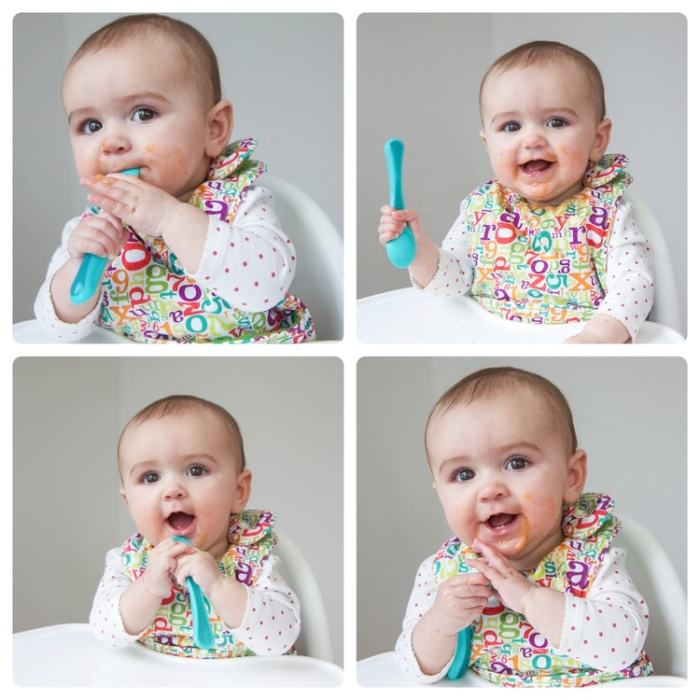
Spoon-feeding comes into play when introducing solids. It’s a process that’s equal parts delightful and messy—think food artist meets abstract expressionism! Key aspects include
Start with thin purees
Smooth textures are easier for your baby to handle.
Let them explore
Babies love to play with their food, and that’s totally normal. Embrace the chaos!
Introducing Solid Foods
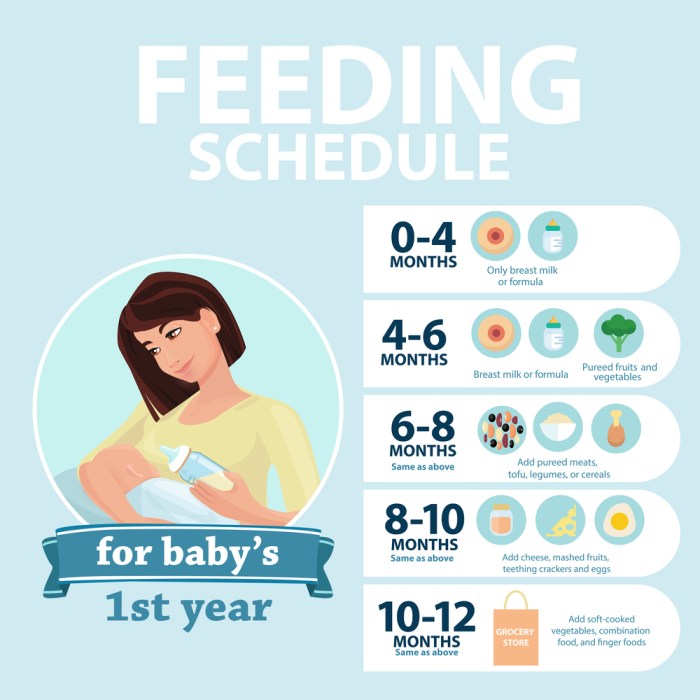
The journey into the world of solids is an exciting milestone, typically starting around six months of age when your baby’s digestive system is ready to tackle new textures and flavors. Here’s how to navigate this delectable transition!Begin by introducing single-grain cereals or pureed fruits and veggies. This step is like laying down the foundation for a culinary skyscraper. Gradually add new foods while waiting a few days between each to check for any allergic reactions.
Timing
Aim for meal times when your baby is alert but not overly hungry to avoid turning feeding into a wrestling match.
Types of first foods
Start with iron-fortified cereals, pureed bananas, avocado, or sweet potatoes.
Progress to mixed purees like apples and carrots or pears and peas as your baby gets the hang of this whole eating thing.
Remember, every baby is unique, and some may take a while to warm up to solids. Patience is key—don’t be surprised if your little one initially stares at that spoon like it’s a spaceship!
Establishing a Feeding Schedule
Creating a feeding schedule is vital for both your sanity and your baby’s wellbeing. A consistent routine helps your baby know what to expect, turning mealtime into a cozy little tradition that can involve cuddles, giggles, and—let’s be honest—plenty of cleanup. Here are some tips:
Set a regular time
Aim for three meals a day and two snacks as your baby grows. This establishes a rhythm that your little one can depend on.
Be flexible
Life happens! If your schedule shifts, adjust accordingly while trying to maintain some structure.
Listen to your baby
Their hunger cues will guide you. Some days they may be ravenous, while on others, they might play food critic.
Nutritional Needs of Babies and Toddlers
When it comes to feeding our tiny humans, it’s not just about filling their bellies; it’s about fueling their growth, brain development, and overall well-being. Infants and toddlers require a myriad of essential nutrients that can turn them into the next generation of smart cookies (yes, we mean the literal cookie and the metaphorical one!). So, let’s dive into the delightful and colorful world of baby and toddler nutrition!
Essential Nutrients and Their Sources
To ensure our little munchkins grow up strong and healthy, it’s crucial to understand the essential nutrients they need. These nutrients are the building blocks for everything from tiny toes to impressive brainpower. Here are the key players in the nutrition game:
- Protein: Vital for growth and development. Sources include breast milk, formula, pureed meats, and legumes.
- Fat: Supports brain development and energy. Found in avocado, olive oil, and whole milk.
- Carbohydrates: The body’s main energy source. Whole grains, fruits, and vegetables are the go-to options.
- Vitamins and Minerals: Essential for immunity and overall health. Leafy greens, fruits, dairy, and fortified cereals provide a bounty of these.
The golden rule: balance is key! Mix and match these nutrients to create a colorful plate for your little one.
Methods for Ensuring a Balanced Diet
To ensure that our babies and toddlers receive a balanced diet, parents can adopt several strategies that turn mealtime into a nutritious adventure. Here’s how to make sure your tiny taste testers are getting all that goodness:
- Introduce Variety: Gradually introduce a wide range of flavors and textures. This can help develop their palate and prevent any picky-eater tendencies later on.
- Use Fortified Foods: Foods fortified with essential vitamins and minerals can be a great source of nutrients that might be tricky to obtain otherwise.
- Monitor Portions: Pay attention to their growth and adjust portion sizes accordingly. Babies may need less as they become toddlers, who often become more active.
- Consult a Pediatrician: Always a good idea to get professional advice, especially regarding the use of supplements when necessary.
Feeding Practices: Babies vs. Toddlers
As babies transition to toddlerhood, their feeding practices evolve significantly, mainly in texture and variety. Understanding these differences is crucial for catering to their developmental needs. Here’s how the feeding landscape shifts:
- Texture: Babies typically start with smooth purees and gradually progress to mashed foods, while toddlers can handle more complex textures, including small pieces they can chew.
- Variety: Babies may prefer single flavors to prevent overwhelming their taste buds, but toddlers thrive on exploring more complex meals with multiple ingredients.
- Self-Feeding: Encourage self-feeding in toddlers as they develop fine motor skills. Finger foods like soft veggies, fruits, and small pasta can empower them in their culinary journey.
Remember, every child is unique. Adapt these practices to suit individual preferences and developmental stages!
Baby Showers and Feeding Essentials
Baby showers are the ultimate celebration of impending parenthood, where friends and family come together to shower the soon-to-be parents with love—and lots and lots of gifts. Among the sea of adorable outfits and plush toys, feeding essentials are the true heroes of the day, ensuring that new parents are well-equipped for their epic journey into the world of baby feeding.
From bottles to bibs, the right gifts can ease the transition to this new life stage and can even become the highlight of the gift-opening ceremony.When it comes to baby feeding essentials, there’s no shortage of must-haves that can make feeding time a breeze. As new parents eagerly anticipate their tiny human’s arrival, it’s important to spotlight the feeding products and gadgets that will help them avoid the daily feeding frenzy and add a sprinkle of joy to mealtime.
Here’s the rundown of what to include in a baby shower gift checklist, popular feeding products, and clever organizing tips for a feeding-themed baby shower!
Checklist for Baby Shower Gifts Focused on Feeding Essentials
An effective baby shower gift checklist should include items that are not only practical but also delightfully useful for new parents. Here’s a curated list of feeding essentials that will surely make the new parents jump for joy (and maybe even do a little happy dance).
- Bottles: A variety of bottle sizes, shapes, and designs—because babies can be picky, and let’s face it, so can parents.
- Bibs: Cute, stylish, and waterproof bibs that can handle the messiest of meal times without breaking a sweat.
- Breast Pumps: For the breastfeeding champs, a reliable breast pump makes all the difference (and let’s be real, they can also be a conversation starter at parties).
- Baby Food Makers: A gadget that can turn fresh fruits and veggies into delicious purees faster than you can say “organic.”
- Infant Spoons: Soft-tipped spoons that are gentle on baby gums—who knew spoons could be a fashion statement?
- Feeding Sets: Adorable dishes and utensils that make every meal feel like a fancy restaurant outing (minus the need for a babysitter).
Popular Feeding Products and Gadgets for New Parents
In the vast universe of baby feeding, some products have become the shining stars, receiving rave reviews from parents across the galaxy. These gadgets are the crème de la crème, and they deserve a spot at any baby shower.
- Smart Bottles: These futuristic bottles track how much your baby drinks and even offer tips via a smartphone app. Talk about high-tech feeding!
- Silicone Bibs: Perfect for catching runaway peas and carrots, these bibs are dishwasher safe and easy to clean—like magic!
- Electric Bottle Warmers: No more cold milk! These nifty devices can warm up bottles in minutes, making midnight feedings feel a little less like an Olympic event.
- Snack Catchers: Specially designed to help toddlers snack on-the-go without creating a mess that looks like a food explosion just occurred.
- Baby Food Pouches: Reusable pouches that allow parents to create and store homemade baby food—saving both time and money while promoting healthy eating!
Guide to Organizing a Baby Shower Theme Centered Around Feeding
A baby shower with a feeding theme is not just practical; it’s also a playful way to infuse a sense of humor and creativity into the event. Here’s how to pull off a fabulous feeding-inspired shower that will have guests raving long after the last bottle is opened.Start with delightful decorations that echo the feeding theme. Think bright colors and fun patterns—perhaps featuring cute food characters, like smiling fruits and veggies.
Create a whimsical atmosphere with table settings adorned with baby spoons, mini bibs as napkin holders, and centerpieces made of baby bottles filled with colorful candies.Add to the fun with activities that involve food! Set up a “Puree Taste Test” station, where guests can guess the baby food flavors while blindfolded—hilarity is guaranteed. You could also have a “Bibs and Bottles” decorating contest, where guests design their own bibs using fabric markers.
The winner gets a prize, and everyone leaves with their very own masterpieces.Lastly, don’t forget a feeding essentials gift table, where guests can display their thoughtful gifts. Include a cute sign reminding them that every bottle and bib gifted is a step closer to making parenting just a bit easier and a lot more fun. With a little creativity and humor, this baby shower will be remembered for years to come, as the one where everyone fed their inner child (and the baby, too!).
Final Wrap-Up
As we wrap up our exciting exploration of Baby feeding, remember that every mealtime is a chance to bond with your baby and create lasting memories—don’t forget to capture those adorable food faces! Whether you’re navigating the waters of breastfeeding, introducing solids, or planning the perfect baby shower, the key ingredient is love sprinkled with a dash of patience. So, go forth, fearless feeder, and embark on this flavorful journey with your little one!
Questions Often Asked
What is the best age to introduce solid foods?
Most experts recommend starting solids between 4 to 6 months, but always check with your pediatrician first!
How can I tell if my baby is ready for solids?
Look for signs like sitting up with support, showing interest in food, and losing the tongue-thrust reflex.
How often should I feed my baby?
Start with two to three times a day for solid foods while continuing breastfeeding or formula as needed.
Are there foods I should avoid initially?
Yes, avoid honey, whole nuts, and foods that can choke like popcorn and hard candies until your baby is older.
Can babies be allergic to breast milk or formula?
It’s rare, but some babies can have allergies to proteins in milk. Consult your healthcare provider if you suspect an allergy.